
The surge in urban living and housing demand has led to a growing interest in ADUs-accessory dwelling units-as a viable investment opportunity in adu for investors. However, navigating the complex web of zoning laws can be a significant hurdle. Understanding these regulations is crucial for any investor looking to enter this market, as they dictate what, where, and how these units can be developed and used. This guide aims to demystify adu zoning laws, offering a comprehensive overview tailored for investors, ensuring they make informed decisions and capitalize on the potential of this lucrative asset class.
- Achieving ADU Potential: Understanding Legal Basics for Investors
- Navigating Zoning Codes: ADU Compatibility Across Jurisdictions
- Permits and Requirements: A Step-by-Step Guide for ADU Projects
- Property Assessment: Identifying Ideal Sites for ADU Investments
- Design Considerations: Creating Viable and Compliant ADU Spaces
- Construction Process: Efficiently Building ADU for Maximum Return
- Rental Market Analysis: Optimizing ADU Income Potential for Investors
- Tax Implications: How ADU Ownership Impacts Your Financial Strategy
- Case Studies: Successful ADU Investment Scenarios and Lessons Learned
Achieving ADU Potential: Understanding Legal Basics for Investors
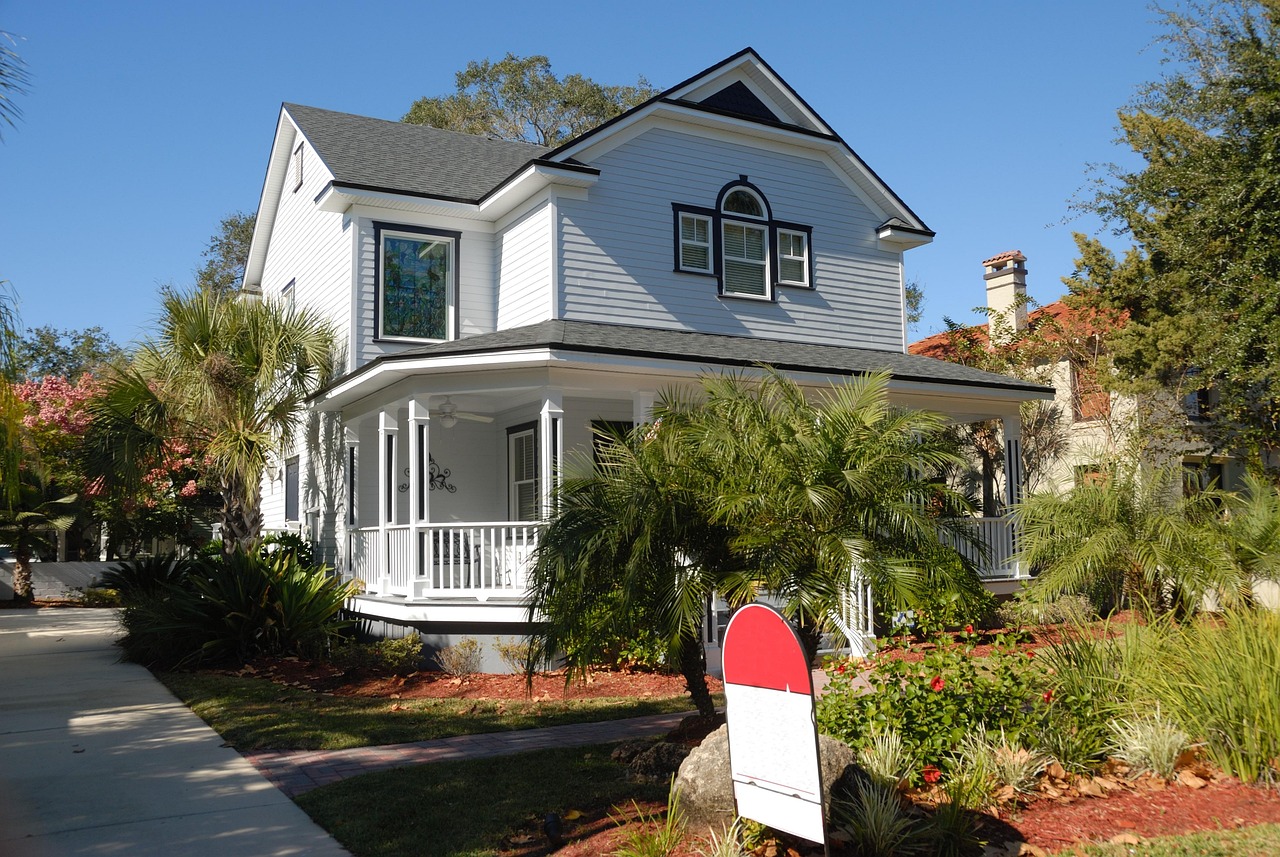
Understanding the legal landscape is crucial for achieving the full potential of ADUs for investors in the Los Angeles market. ADU (Accessory Dwelling Unit) zoning laws can vary significantly, and navigating these regulations is essential for successful investment strategies. Experienced ADU investors recognize that the best locations-such as neighborhoods with higher demand for rental housing-can offer greater returns but also require careful consideration of local zoning ordinances.
In the city of Los Angeles, ADU for investors presents a unique opportunity, but it's crucial to grasp the legal framework. The process begins with understanding that ADUs are typically permitted in residential zones, subject to certain conditions. These conditions often include size restrictions, set-backs, and the requirement for an existing primary dwelling unit on the property. Reliable ADU financing is a key aspect of the equation; investors should secure funding that aligns with these regulations and the expected return on investment. Many investors turn to experienced lenders who specialize in ADU for investors, ensuring a smooth financing process.
Actionable advice for navigating ADU zoning laws includes consulting with local experts, such as architects or real estate attorneys, who can provide insights tailored to specific properties. An experienced ADU investor in 1812 W Burbank Blvd #313 might collaborate with a design team to create a legal and profitable ADU addition, leveraging the property's unique zoning advantages. By staying informed about best ADU locations, reliable financing options, and local regulations, investors can maximize the potential of these valuable assets.
Navigating Zoning Codes: ADU Compatibility Across Jurisdictions

Navigating the complex web of zoning codes is a crucial step for any investor looking to enter the ADU market. The compatibility of an ADU (Accessory Dwelling Unit) with local zoning laws varies significantly across jurisdictions, affecting the potential for profitability and property value. While some cities in urban areas may have a high demand for ADUs and relatively permissive zoning regulations, rural or suburban locations might have stricter rules, limiting the feasibility of certain investments.
Understanding these local laws is essential to make informed decisions. Investors should consider hiring certified ADU inspectors who can provide insights into specific zoning codes and their implications. These professionals can guide investors toward the best ADU locations, ensuring compliance while maximizing returns. For affordable ADU investments, focusing on areas with a growing population and a shortage of housing options can be strategic. Urban neighborhoods undergoing revitalization or suburban communities with expanding commuter routes often present opportunities, given the increasing demand for rental properties.
Each jurisdiction's planning department typically maintains detailed information about zoning regulations, including permitted uses, building restrictions, and set-back requirements. Investors should review these guidelines to comprehend the potential for ADU development. A property on 1812 W Burbank Blvd #313 in Los Angeles might be suitable for an ADU if it meets the city's zoning standards for lot size, building distance from property lines, and permitted building types. By staying informed about these local laws and enlisting expert advice, investors can navigate the complexities of ADU zoning successfully, positioning themselves to capitalize on lucrative opportunities in the market.
Permits and Requirements: A Step-by-Step Guide for ADU Projects

Navigating the regulatory landscape is crucial for successful ADU for investors. The process begins with understanding the local zoning laws, which dictate what types of projects are permissible and where. In Los Angeles, for instance, ADU development is governed by specific regulations that vary from neighborhood to neighborhood. Before breaking ground, investors should consult with local authorities to ensure their project aligns with current codes. This step is essential to avoid costly delays or legal issues.
Once the project is approved, obtaining the necessary permits becomes paramount. The process typically involves submitting detailed plans, structural drawings, and a permit application to the relevant building department. At 1812 W Burbank Blvd #313, an experienced ADU investor might work with a reliable contractor like Vaisman Construction to navigate these steps. The contractor would ensure that all documents are in order, including a permit application, building plans, and any required structural engineering reports. This meticulous approach is key to a smooth construction process.
Reliable ADU financing is another critical aspect. Investors often secure loans from banks or hard money lenders specialized in real estate investments. The financing terms, interest rates, and repayment periods vary based on the project's scale and the lender's risk assessment. For seasoned ADU investors, establishing relationships with multiple financing sources can help secure the best rates. A well-prepared business plan and a track record of successful projects can make it easier to access capital.
Throughout the project, staying informed about local regulations and industry best practices is vital. Investors who stay abreast of zoning changes and market trends are better equipped to make informed decisions. For ADU projects, location plays a significant role; best ADU locations are typically areas with high demand for rental units and favorable zoning. By combining thorough research, experienced professionals, and strategic financing, investors can navigate the complexities of ADU development and maximize their returns.
Property Assessment: Identifying Ideal Sites for ADU Investments

When evaluating potential sites for ADU investments, a thorough property assessment is crucial. This involves more than just examining the physical structure; it's about understanding the zoning laws, neighborhood dynamics, and market trends that can either amplify or limit your returns. The 1812 W Burbank Blvd #313 could be a prime candidate if the local zoning allows for ADU conversions, given its central location in Los Angeles.
Certified ADU inspectors play a vital role in this process, offering expertise that goes beyond a standard home inspection. They can identify structural and regulatory aspects that might impact the feasibility and profitability of an ADU renovation. Top-rated ADU renovations, as indicated by investor reviews, can serve as a benchmark for the potential value and appeal of a property. Analyzing these reviews and understanding the local market can help you distinguish promising sites from those that may not yield the desired returns.
Reviewing comparable ADU investments in the area can provide valuable insights. Understanding the average cost of top-tier ADU renovations and the subsequent rental income or property value increases can help you make informed decisions. Remember, each property is unique, and while past performance is not a guarantee, it can offer a realistic perspective on what's achievable. By combining this data with a thorough property assessment, you'll be well-equipped to identify the most lucrative opportunities for your ADU investment portfolio.
Design Considerations: Creating Viable and Compliant ADU Spaces

Creating viable and compliant ADU spaces is a meticulous process that demands careful consideration of design, functionality, and local regulations. At 1812 W Burbank Blvd #313, for instance, a successful ADU project transformed a previously underutilized space into a rentable, self-contained unit. This transformation involved strategic planning and adherence to zoning laws, demonstrating the importance of professional ADU management in navigating complex permit requirements.
Designing an ADU requires balancing the needs of the property owner and the potential tenant. Local ADU experts recommend prioritizing adaptability and accessibility. Kitchens and bathrooms, for example, must be designed with universal accessibility in mind, catering to a diverse range of users. Incorporating natural light and efficient ventilation enhances the livability of the space, increasing its appeal to prospective tenants. Reliable ADU financing is a critical component of any successful project, and local banks or specialized lenders can offer tailored financing options to investors.
One key consideration is the placement of the ADU within the existing structure. In many cases, converting an existing garage or attic space requires minimal structural changes, making the project more cost-effective. However, for larger or more complex additions, engaging the services of a reliable contractor is essential. Vaisman Construction, a local ADU specialist, has successfully completed numerous projects, demonstrating expertise in both simple conversions and intricate custom designs. Their work underscores the importance of hiring a team with a proven track record in navigating local codes and ensuring compliance throughout the construction process.
Finally, integrating the ADU seamlessly with the host property is crucial for maximizing its value. Effective design choices, such as shared laundry facilities or common outdoor spaces, can foster a sense of community among residents. This holistic approach to ADU design not only enhances the property's overall appeal but also aligns with the growing demand for flexible, accessible, and well-designed housing options.
Construction Process: Efficiently Building ADU for Maximum Return

The construction process for ADUs (Accessory Dwelling Units) in the Los Angeles market requires strategic planning and specialized services to maximize return on investment. Efficient building practices are crucial, as they streamline timelines and minimize costs. Investors should partner with experienced contractors who understand the intricate dance of ADU zoning laws and can navigate the permitting process effectively.
Focusing on efficient construction involves modular design and prefabrication, which can significantly reduce build times. By utilizing standardized components and off-site fabrication, contractors can assemble units more quickly on-site, leading to faster project completion. This method has proven popular in best ADU locations, where demand exceeds supply. Los Angeles, with its favorable zoning laws and growing population, offers ample opportunities for well-designed ADUs. Investors can maximize returns by identifying prime locations and partnering with contractors who excel in specialized ADU services.
Professional ADU management also includes cost optimization strategies. Skilled project managers can source materials efficiently, negotiate contracts, and manage labor costs. They ensure projects stay on budget and within the required timelines, which are crucial for ADU investors aiming to generate positive cash flow. A well-managed ADU construction project in a desirable Los Angeles neighborhood could be completed in as little as one to two weeks, allowing investors to quickly turn around units for rental or sale.
Rental Market Analysis: Optimizing ADU Income Potential for Investors

Understanding the rental market is a crucial aspect of maximizing the income potential for any investor looking to enter the ADU (Accessory Dwelling Unit) space in Los Angeles. A trusted ADU advisor can provide valuable insights into the demand for rental properties in the area, helping investors make informed decisions. By analyzing nearby ADU developments and their success rates, investors can gauge the market's health and identify high-growth areas. A recent surge in ADU projects in specific neighborhoods has led to increased tenant demand, resulting in higher rental yields.
When evaluating a property for ADU conversion, investors should consider the local zoning laws and consult licensed ADU contractors familiar with the region's regulations. These experts can guide investors through the process, ensuring compliance and minimizing potential delays. The city's zoning map, available through the local planning department, is an indispensable tool for understanding the permitted uses of 1812 W Burbank Blvd #313 or any other property under consideration. Certain zones might allow for ADU construction, while others may restrict it based on proximity to residential areas or lot size.
A comprehensive rental market analysis should also factor in the proximity of similar ADU units and their rental rates. By comparing these figures with the potential income from a newly constructed ADU, investors can anticipate their return on investment. A well-positioned property with a low vacancy rate and above-average rental prices could indicate a robust market for ADU rentals. Engaging with trusted ADU advisors and licensed contractors who have a keen understanding of the local market can provide investors with the edge they need to succeed in this competitive yet lucrative sector.
Tax Implications: How ADU Ownership Impacts Your Financial Strategy

Investing in ADUs (Accessory Dwelling Units) can offer significant financial returns, but understanding the tax implications is crucial. When considering an ADU for investors, the tax landscape can seem complex, but with the right approach, it can become a powerful tool for your financial strategy. One of the key advantages is the potential for tax deductions and credits associated with low-cost ADU conversions. These cost savings can be substantial, especially when compared to traditional construction projects, as the process often involves less extensive renovations.
If you're looking at the property at 1812 W Burbank Blvd #313, Los Angeles, a licensed ADU contractor can help navigate these taxes. Professional ADU management ensures compliance with local zoning laws and allows you to maximize tax benefits. The contractor will be familiar with the specific tax incentives in your area, such as deductions for materials and labor, as well as any federal credits for energy-efficient features. By partnering with experienced professionals, investors can avoid costly mistakes and ensure their ADU project aligns with tax efficiency goals.
ADU ownership offers long-term financial benefits. As the property ages, potential rental income increases, providing a steady stream of cash flow. Many investors find that the tax advantages and cash flow potential make ADUs a smart choice, especially in high-demand rental markets like Los Angeles. With the right financial planning, ADU investments can contribute to a robust and diverse portfolio.
Case Studies: Successful ADU Investment Scenarios and Lessons Learned

Successful ADU investment scenarios offer compelling returns, but navigating zoning laws is crucial. Let's explore real-world case studies to understand the process and learn from experienced investors.
Consider the experience of an investor in Los Angeles who acquired a property at 1812 W Burbank Blvd #313. After securing reliable ADU financing, they contracted Vaisman Construction for top-rated ADU renovations. The project transformed an underutilized space into a modern, legal secondary dwelling. This strategic move allowed them to rent out the ADU, increasing monthly cash flow. Certified ADU inspectors ensured the property met all local building codes and safety standards, a critical step for any ADU investment.
Another successful scenario involves an investor who identified an older, undervalued property in a growing neighborhood. They partnered with a local contractor to renovate the property, adding a legal ADU with modern amenities. By focusing on quality craftsmanship and adhering to zoning regulations, they created a desirable rental unit, attracting long-term tenants. This case highlights the importance of thorough market analysis and strategic renovation to maximize returns on ADU investments.
Lessons learned from these scenarios underscore several key points. First, reliable ADU financing is essential; exploring various financing options and securing competitive rates can significantly impact profitability. Second, engaging top-rated renovators ensures high-quality workmanship, enhancing the property's value and marketability. Lastly, certified ADU inspectors play a vital role in avoiding legal issues and ensuring the property's compliance with local zoning laws, which can be complex and vary by neighborhood.
By studying these case studies and incorporating best practices, ADU investors can navigate zoning laws effectively, maximize returns, and contribute to the growth of their portfolio. Each successful project adds to the growing body of knowledge, demonstrating the viability and potential of ADU investments.
After examining the multifaceted world of ADU for investors, several key insights emerge as guiding principles for navigating this lucrative market. First, understanding the legal basics and zoning codes is paramount. Investors must grasp local regulations, as ADU compatibility varies across jurisdictions, impacting feasibility and return on investment.
Permits and property assessment play crucial roles in the ADU construction process. A step-by-step approach, from obtaining necessary permits to identifying ideal sites, ensures compliance and maximizes potential. Design and construction considerations are critical; creating viable, compliant spaces requires thoughtful planning and efficient building practices to achieve optimal financial returns.
Analyzing the rental market and understanding tax implications are essential for investors looking to optimize income and financial strategy. The case studies presented offer valuable lessons learned, demonstrating successful ADU investment scenarios. This guide equips investors with the knowledge and tools to make informed decisions, achieving the significant potential of ADU for investors in Los Angeles.
Investing in ADUs in Los Angeles requires understanding zoning laws, securing reliable financing, and navigating local regulations. Successful investors consult experts, hire certified inspectors, and partner with experienced contractors. Efficient construction practices, market analysis, and tax planning maximize returns. Case studies highlight the importance of reliable financing, high-quality renovation, and compliance with zoning ordinances. By following best practices, investors can achieve the full potential of ADUs while contributing to the local housing market.