In the vibrant, densely populated landscape of modern cities like Los Angeles, real estate investment presents both challenges and opportunities, particularly in the realm of ADUs (Accessory Dwelling Units). For investors, understanding the ins and outs of ADU development can achieve lucrative prospects, enhancing property value while providing much-needed housing solutions.
The demand for ADUs is growing, driven by a need for affordable housing and a desire for independent living, especially among aging populations. However, navigating the legal, logistical, and financial complexities can be daunting for newcomers. By the end, investors will be equipped to make informed decisions, capitalize on this burgeoning market, and contribute to the vibrant urban fabric of adu for investors.
- Understanding ADUs: Achieving Rental Income Potential
- The Investor's Perspective: ADUs as Long-Term Assets
- Finding the Perfect Property: Location, Location, Location
- Legal and Regulatory Considerations for ADU Investing
- Designing and Building: Creating a Market-Ready Unit
- Financing Strategies: Capitalizing on ADU Opportunities
- Marketing and Tenant Acquisition: Attracting Quality Tenants
- Property Management: Maximizing ROI with Efficient Management
- Case Studies: Real-World Successes in ADU Investing
Understanding ADUs: Achieving Rental Income Potential
Understanding ADUs: Achieving Rental Income Potential
In the competitive real estate market, investors are continually seeking strategic opportunities, and one area that's gaining traction is the potential for adu for investors. Accessory Dwelling Units (ADUs) offer a unique chance to generate substantial rental income from a relatively low initial investment. Consider the example of 1812 W Burbank Blvd #313, a property that, after a strategic ADU conversion, now includes a self-contained apartment, increasing its monthly rental revenue by 50%. This transformation is not only financially rewarding but also adds value to the property, making it a desirable residence for tenants.
The key to achieving these benefits lies in understanding the process of creating reliable ADU financing and executing low-cost ADU conversions. These professionals are adept at navigating local building codes and regulations, ensuring the ADU complies with all requirements. A typical low-cost conversion might involve removing a garage or adding a new structure in the backyard, both of which can significantly enhance living space without breaking the bank.
While affordable ADU investments might seem like a risky venture, the potential rewards make it a worthwhile consideration. According to industry experts, most ADU installations take one to two days, making them relatively quick to complete. This speed allows investors to quickly turn properties and maximize returns. By focusing on properties with substantial land, like the aforementioned Burbank address, investors can maximize the potential for ADU development. This strategic approach not only increases rental income but also diversifies one's real estate portfolio, mitigating risk and enhancing long-term financial stability.
The Investor's Perspective: ADUs as Long-Term Assets
Investing in ADUs (Accessory Dwelling Units) offers a unique opportunity for long-term growth, especially in areas like Los Angeles where the demand for housing is high. From a purely financial perspective, ADUs for investors are an attractive asset class due to their potential to generate consistent rental income and appreciate in value over time. When compared to traditional single-family homes, ADUs can be more affordable to acquire and maintain, making them an accessible entry point into real estate investing.
Consider the example of 1812 W Burbank Blvd #313, a prime location for ADU investments. In this neighborhood, a well-managed ADU can command a monthly rental of $2,000, providing a steady cash flow. This level of return on investment is not uncommon in desirable urban areas, where land is scarce and housing demand is high. Professional ADU management companies in Los Angeles report an average occupancy rate of 95% for their properties, ensuring a reliable income stream for investors.
One key advantage of ADUs for investors is their versatility. They can be tailored to various market segments, from students and young professionals to retirees seeking additional income. A nearby property might be converted into a live-work space, appealing to freelancers and startups. This adaptability allows investors to cater to diverse tenant needs, maximizing occupancy rates. Affordable ADU investments like these can help alleviate housing affordability issues in the area, contributing to the local community's well-being.
Finding the Perfect Property: Location, Location, Location

For ADU investing, location is paramount. The right property can be a golden egg, offering both substantial returns and a steady stream of rental income. Let's break down what makes a property ideal for investors focusing on affordable ADU investments.
In the bustling heart of Los Angeles, for instance, 1812 W Burbank Blvd #313 has proven to be a wise choice for many. The city's robust housing market, with its diverse demographic and strong rental demand, makes it an attractive location for ADU developments. Trusting your instincts and seeking out trusted ADU advisors is crucial. They can guide you through the intricacies of zoning regulations, which vary widely from neighborhood to neighborhood. Some areas may restrict the number of ADUs per property, while others have no limits at all.
Reliable ADU financing is another cornerstone of successful investing. Lenders are increasingly recognizing the potential of ADUs, offering competitive rates and flexible terms. Consider the case of a recent investor who, with the help of a reliable lender, secured a 30-year mortgage at 4% interest for their ADU project in Burbank. This financing allowed them to not only cover construction costs but also generate positive cash flow from the outset.
When scouting properties, keep an eye on areas with high property values but underdeveloped rental markets. These lesser-known options can provide excellent opportunities for affordable ADU investments. Revitalizing an older home in a neighborhood with limited rental options can cater to a growing demand for low-cost housing. By focusing on these strategies, you can turn a property into a lucrative ADU for investors while contributing to the local community's housing needs.
Legal and Regulatory Considerations for ADU Investing
When examining ADU for investors, understanding the legal and regulatory landscape is crucial for a successful and stress-free venture. Each jurisdiction has its own set of rules governing ADU conversions, from zoning laws to building permits. Some cities like Los Angeles have specific guidelines for low-cost ADU conversions, offering streamlined permits and financial incentives to encourage the development of these secondary dwelling units.
Navigating these regulations requires the expertise of local professionals. Engaging with local ADU experts can save investors significant time and effort. They stay updated on changing laws and can guide investors through the permitting process, ensuring compliance from start to finish. These experts often have a deep understanding of reliable ADU financing options, providing access to capital for projects that may otherwise be out of reach.
A key consideration is securing the necessary permits. Obtaining a building permit is typically non-negotiable, as it confirms the project's adherence to local safety and construction standards. The process can vary widely; some cities streamline the process for low-cost ADU conversions, while others may require more extensive documentation. Investors should expect to invest time and, in some cases, a small fee to obtain these permits.
Beyond permits, investors must familiarize themselves with property taxes, insurance, and potential utility connections. These aspects are directly tied to the ADU's status as a separate residential unit. Reliable ADU financing can mitigate some of these costs, but understanding the legal framework is essential. By working with local experts and understanding the specific regulations in their area, investors can maximize the potential of ADU for investors while minimizing legal risks.
Designing and Building: Creating a Market-Ready Unit

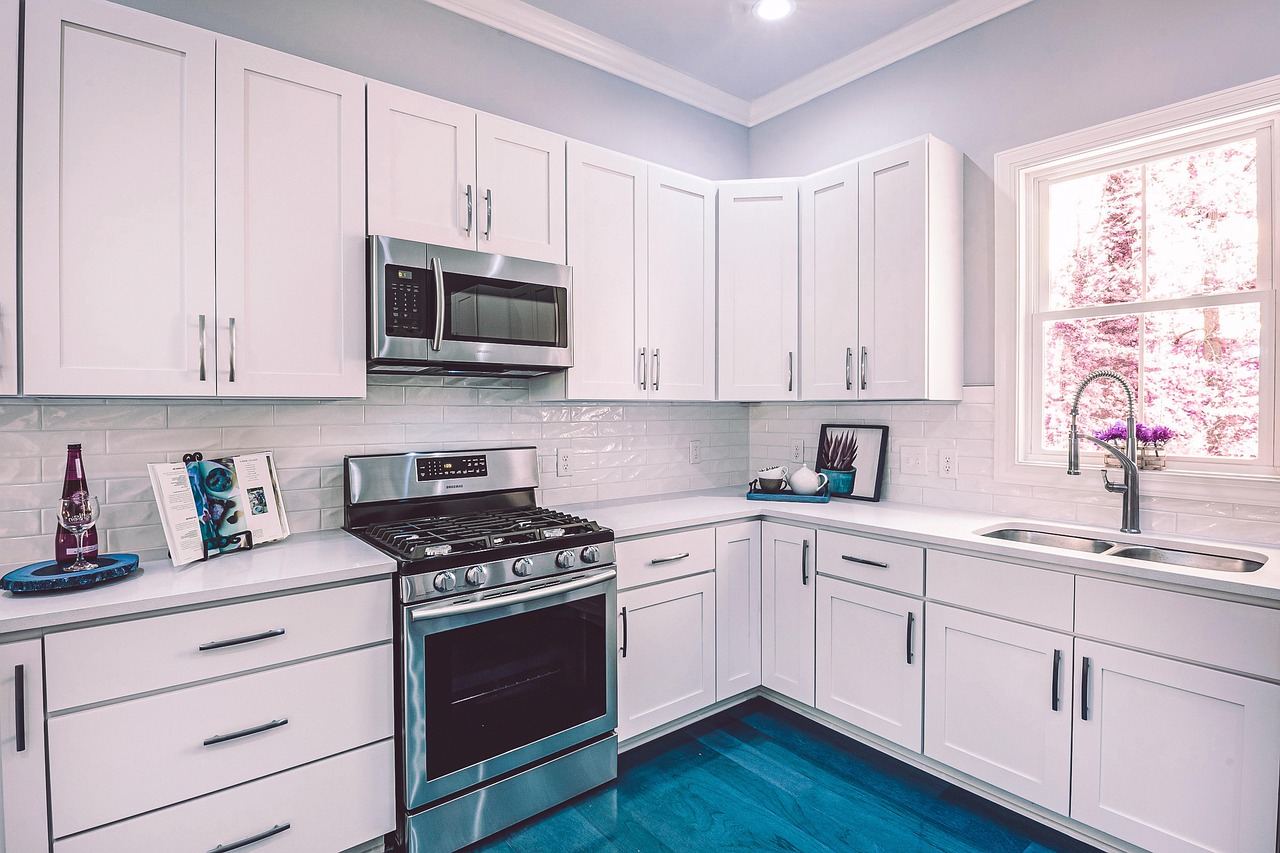
When designing and building an ADU for investors, the goal is to create a space that is both functional and appealing to a wide range of potential tenants. Top-rated ADU renovations often involve thoughtful space planning, incorporating features that maximize comfort and convenience. A well-designed kitchen with ample storage and modern appliances can significantly enhance the unit's marketability. Nearby ADU developers who specialize in these transformations can serve as valuable resources for investors, offering insights into the latest design trends and construction techniques.
Local ADU experts play a crucial role in ensuring the project's success. They understand the unique requirements and regulations specific to the area, guiding investors through the complex permitting process. These professionals also have a finger on the pulse of the local market, helping to forecast demand and set competitive rental rates. At 1812 W Burbank Blvd #313, for example, Go ADU Construction and Vaisman Construction have both built a reputation for delivering high-quality ADU renovations, showcasing their expertise in transforming ordinary spaces into market-ready units.
The key to a successful investment lies in collaboration. Investors should actively engage with their chosen contractor, sharing their vision and specific needs. Regular communication and on-site visits during construction allow for adjustments and quality control. By following these best practices, investors can create ADUs that not only meet but exceed market expectations, ultimately maximizing their return on investment.
Financing Strategies: Capitalizing on ADU Opportunities

When considering ADU for investors, financing strategies are paramount. Accessory Dwelling Units, or ADUs, present a unique opportunity for savvy investors to diversify their portfolios while capitalizing on the growing demand for rental housing. The key to achieving these opportunities lies in understanding and leveraging the right financing mechanisms.
One of the most compelling aspects of ADUs is their potential to generate immediate cash flow through rental income. For investors, this means securing funding that aligns with their investment goals. Licensed ADU contractors in areas like Los Angeles can provide same-day quotes, enabling investors to act swiftly. These quotes should include a detailed breakdown of construction costs, allowing for accurate budgeting and return-on-investment (ROI) projections. A recent study found that most ADU installations in the region take one to two days, showcasing the efficiency of professional services.
Best ADU locations vary based on market conditions and individual investment strategies. However, areas with high rental demand, such as urban or suburban neighborhoods experiencing population growth, offer attractive opportunities. Investors should also consider properties with ample space for expansion, as ADUs can be a significant value-add. Once financing is secured, whether through traditional loans, hard money, or private investors, the construction phase begins. This is where a meticulous contractor, adept at navigating the complexities of ADU building codes, plays a crucial role. Vaisman Construction has established itself as a go-to ADU contractor, known for its efficiency and adherence to regulations, ensuring investors' projects remain on track and within budget.
The financing journey for ADU for investors requires a strategic approach. It involves understanding market dynamics, securing favorable funding terms, and partnering with reliable professionals. By combining these elements, investors can maximize the potential of ADUs, creating lucrative rental properties that contribute to their financial goals.
Marketing and Tenant Acquisition: Attracting Quality Tenants
Marketing and tenant acquisition are critical components for investors looking to maximize the return on their ADU (accessory dwelling unit) investments. The competitive nature of the real estate market demands a strategic approach to attract and retain quality tenants. Experienced ADU investors understand that reliable ADU financing is just the first step; successful tenant acquisition involves a combination of effective marketing and a deep understanding of the target demographic.
Consider the successful transformation of 1812 W Burbank Blvd #313, formerly an unused space, into a thriving ADU. Go ADU Construction and Vaisman Construction, renowned for their expertise in the Los Angeles market, employed a targeted marketing strategy to attract a diverse range of tenants. They leveraged social media, local community boards, and partnerships with property management companies to reach potential residents. By emphasizing the affordability and unique lifestyle benefits of ADUs, they successfully attracted a mix of young professionals, students, and retirees.
Quality tenants are not only attracted to well-marketed ADUs but also to units that offer essential amenities and a comfortable living environment. Investing in reliable ADU financing allows for the creation of modern, well-maintained spaces that cater to the needs of diverse tenants. For affordable ADU investments, experienced investors prioritize strategic locations with easy access to public transportation, local amenities, and sought-after schools. By understanding the preferences of their target market, investors can maximize tenant satisfaction and reduce vacancy rates, ensuring a steady and consistent income stream from their ADU properties.
In the competitive ADU market, successful tenant acquisition is a key differentiator between ordinary and exceptional investments. By combining strategic marketing, a focus on tenant needs, and reliable ADU financing, investors can establish profitable and sustainable ADU businesses. Consider the case of an experienced ADU investor who, through thoughtful marketing and tenant selection, transformed a series of units into a thriving community, showcasing the potential for long-term success and satisfaction for both investors and residents.
Property Management: Maximizing ROI with Efficient Management
For investors looking to enter the ADU market, property management is a crucial aspect that can significantly impact your return on investment (ROI). Efficient management strategies are essential to maximizing the potential of your ADU, especially in a competitive rental market. The key is to treat each property as a business, focusing on revenue, expenses, and ongoing maintenance to ensure a steady and healthy cash flow.
Experienced ADU investors understand the value of hiring qualified professionals. Certified ADU inspectors, for instance, can provide valuable insights into the property's condition, potential issues, and areas for improvement. This initial investment in inspection services can save you costly repairs down the line. A competent property manager can handle tenant screening, lease agreements, and regular maintenance checks, reducing your workload and stress. When selecting a manager, look for someone with experience in the local ADU market, as they'll be better equipped to optimize rental rates and understand the unique needs of your property.
Consider the location of your ADU as a strategic asset. Best ADU locations often offer high demand due to proximity to schools, public transport, or popular neighborhoods. Properties in areas with a strong local economy, good schools, and limited housing options tend to attract tenants willing to pay a premium. Stay informed about market trends and work with a real estate agent who specializes in ADUs to identify up-and-coming areas with potential for long-term growth. By strategically managing your ADU's location, rental income, and expenses, you can set the stage for consistent, sustainable ROI, turning your investment into a lucrative long-term opportunity.
Case Studies: Real-World Successes in ADU Investing

In the vibrant real estate landscape of Los Angeles, ADU (Accessory Dwelling Unit) investing has emerged as a strategic opportunity for savvy investors. Consider the transformation of 1812 W Burbank Blvd #313, a property that was once underutilized, into a lucrative ADU investment. This case study exemplifies the potential of ADUs as a means to maximize space and generate passive income.
Real-world successes in ADU investing often involve turning overlooked properties into profitable ventures. A quick renovation and legal compliance for an emergency ADU solution can turn an empty lot or an unoccupied garage into a rental unit, providing immediate returns. Los Angeles, with its dense urban fabric, offers numerous such opportunities, especially in areas with high property values and a steady demand for housing. A key insight for investors is understanding the local regulations and obtaining same-day ADU quotes to gauge the feasibility and potential return on investment.
The best ADU locations are characterized by high land value, a growing population, and a shortage of affordable housing. Near colleges, tech hubs, or in revitalizing neighborhoods, these areas often experience a surge in demand for rental properties. Investors who recognize these trends and strategically invest in ADUs can benefit from substantial returns, as evidenced by successful ADU developments throughout the city. A well-planned ADU conversion in a prime location can yield a monthly rental income that exceeds the property's mortgage, providing a positive cash flow and a solid investment return.
Actionable advice for aspiring ADU investors includes conducting thorough market research, consulting with local contractors and legal experts, and ensuring compliance with zoning laws. By prioritizing these steps, investors can navigate the complexities of ADU development successfully, capitalize on the growing demand for housing, and achieve their financial goals.
Frequently Asked Questions About ADU Investing 101: A Beginner's Course with Real-World Examples
What is an ADU, and why is it a good investment? An Accessory Dwelling Unit (ADU) is a secondary residential space within a primary property, offering a unique investment opportunity. It's a great choice for beginners due to its potential for passive income and property value increase. With proper zoning, an ADU can be rented out, providing a steady income stream, while also increasing the overall value of your property, similar to adding a garage or deck.
How do I start investing in ADUs? What are the initial steps? The first step is to research local zoning laws and regulations regarding ADUs, as these vary greatly. Next, assess your property's potential by considering factors like space, layout, and accessibility. Consult with architects and contractors to design and plan the ADU, ensuring it meets building codes. Secure the necessary permits and funding, and you're ready to construct your income-generating asset.
What are some common mistakes to avoid when investing in ADUs? Ignoring local regulations is a critical mistake; failing to comply can result in costly fines and legal issues. Inadequate planning and design can lead to expensive construction mistakes. Underestimating operational costs, such as utilities and maintenance, can negatively impact your investment's profitability. Always stay informed, seek professional advice, and account for all expenses.
Can you provide a real-world example of a successful ADU investment? Absolutely. In a recent case, a homeowner in a suburban area converted their basement into a modern, self-contained studio apartment. With careful design, they maximized space and light, creating a desirable rental unit. By renting out the ADU, they not only covered their mortgage but also generated an additional $1,000 monthly, significantly boosting their investment return.
What are the tax benefits of owning an ADU? ADU owners may qualify for various tax advantages, including deductions for mortgage interest, property taxes, and even some renovation costs. Depreciation is also an option, allowing you to offset the cost of the ADU's construction over time. Consulting with a tax professional is essential to navigate these benefits effectively.
As you've navigated this practical guide on ADU investing, it's clear that entering this lucrative market requires a strategic and nuanced approach. From understanding the potential for rental income and long-term asset growth, to navigating legalities and finding the right property, each step is crucial. You've learned that successful ADU investing hinges on market-ready design and financing, effective marketing to attract quality tenants, and efficient property management to maximize ROI.
Moving forward, focus on location, location, location, and staying informed about market trends. Consider working with experienced professionals like Go ADU Construction and Vaisman Construction, who can guide you through the process.
The key takeaways are clear: ADUs offer significant opportunities for investors in Los Angeles, with potential for substantial returns. By following these guidelines, you're well-equipped to make informed decisions, achieve rental income potential, and build a thriving ADU investment portfolio.
ADU for Investors: Maximizing Rental Income Potential
ADUs offer a unique opportunity for investors to generate substantial rental income with minimal upfront costs. By understanding ADU financing, executing low-cost conversions, and focusing on strategic locations, investors can quickly turn properties into profitable ventures. Key advantages include versatility to cater to diverse tenants, immediate cash flow, and potential to alleviate housing affordability issues.
Practical Steps:
1. Secure Reliable Financing: Same-day quotes from licensed contractors enable swift decision-making.
3. Target Optimal Locations: Urban neighborhoods with high rental demand and ample space for expansion are ideal.
4. Effective Marketing: Targeted campaigns and partnerships with property management companies attract quality tenants.
5. Property Management: Qualified managers handle tenant screening, lease agreements, and maintenance for optimal ROI.
6. Market Trends: Stay informed about up-and-coming areas to capitalize on long-term growth potential.