
The ADU market in Los Angeles is experiencing a boom, with growing demand from investors seeking lucrative opportunities. As cities like Los Angeles grapple with housing shortages, Accessory Dwelling Units (ADUs) offer a viable solution, providing additional living spaces that can significantly increase property values. However, navigating this dynamic market requires a deep understanding of the trends and factors influencing ADU investments. This article provides a practical guide, offering insights into the latest market trends, construction strategies, and investment dynamics that will empower savvy investors to make informed decisions in the ADU space.
- ADU Market Growth: Achieving High-Yield Opportunities
- Demystifying ADU Regulations for Investor Success
- Targeting High-Demand Markets: Smart ADU Investing
- The ROI of ADUs: Measuring Profitability for Investors
- Understanding ADU Construction Costs: A Budgeting Guide
- ADU Financing Options: Leverage Capital Effectively
- Renting ADUs: Maximizing Cash Flow for Investors
- Case Studies: Successful ADU Investment Strategies
- Future Trends: Predicting ADU Market Evolution for Investors
ADU Market Growth: Achieving High-Yield Opportunities
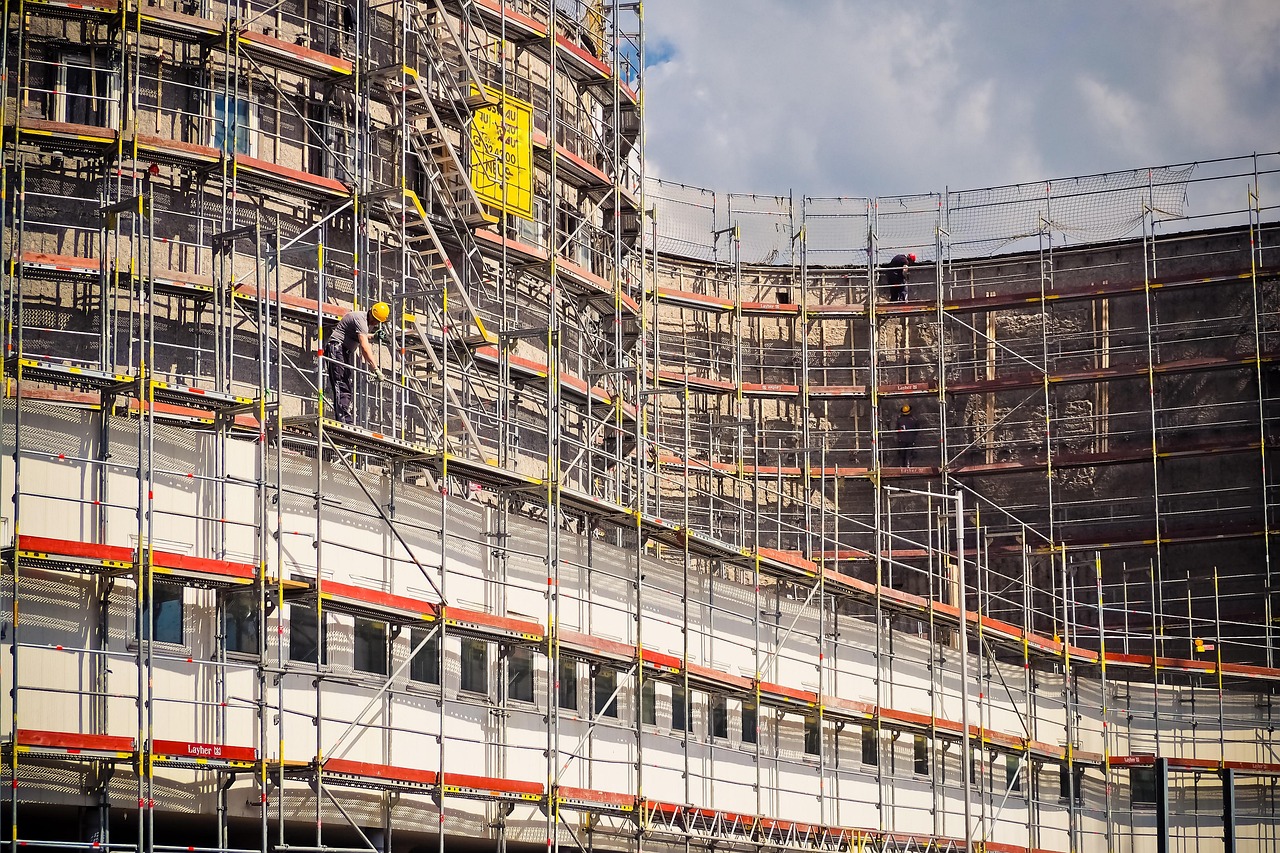
The ADU market in Los Angeles is experiencing a surge, presenting investors with a unique and lucrative opportunity. Achieving the potential of these additional living spaces, known as ADUs (Accessory Dwelling Units), requires a strategic approach tailored for savvy investors. The demand for ADUs has been steadily increasing, driven by a combination of factors such as rising property values and the desire for more independent living arrangements, especially among the younger generation. This trend is not just a passing fad; it's a dynamic market shift that offers substantial returns for those willing to engage.
One of the key drivers of ADU market growth is the ability to generate quick returns. Same-day ADU quotes, while varying based on project complexity, have become a reality in Los Angeles. Investors can leverage this efficiency, securing immediate returns on their investments. This speed and profitability are particularly appealing to investors seeking short-term gains.
Local ADU experts are crucial in navigating the market's complexities. These professionals not only offer insights into the latest trends but also provide valuable guidance on cost-effective conversions. The city's diverse neighborhoods present unique opportunities, with some areas allowing for more flexible ADU designs and regulations. By partnering with these local experts, investors can access lesser-known options, identify high-yield projects, and ensure their investments align with the market's dynamics. This strategic approach, combined with the growing demand for ADUs, signifies a bright future for investors who wish to capitalize on this expanding market.
Demystifying ADU Regulations for Investor Success
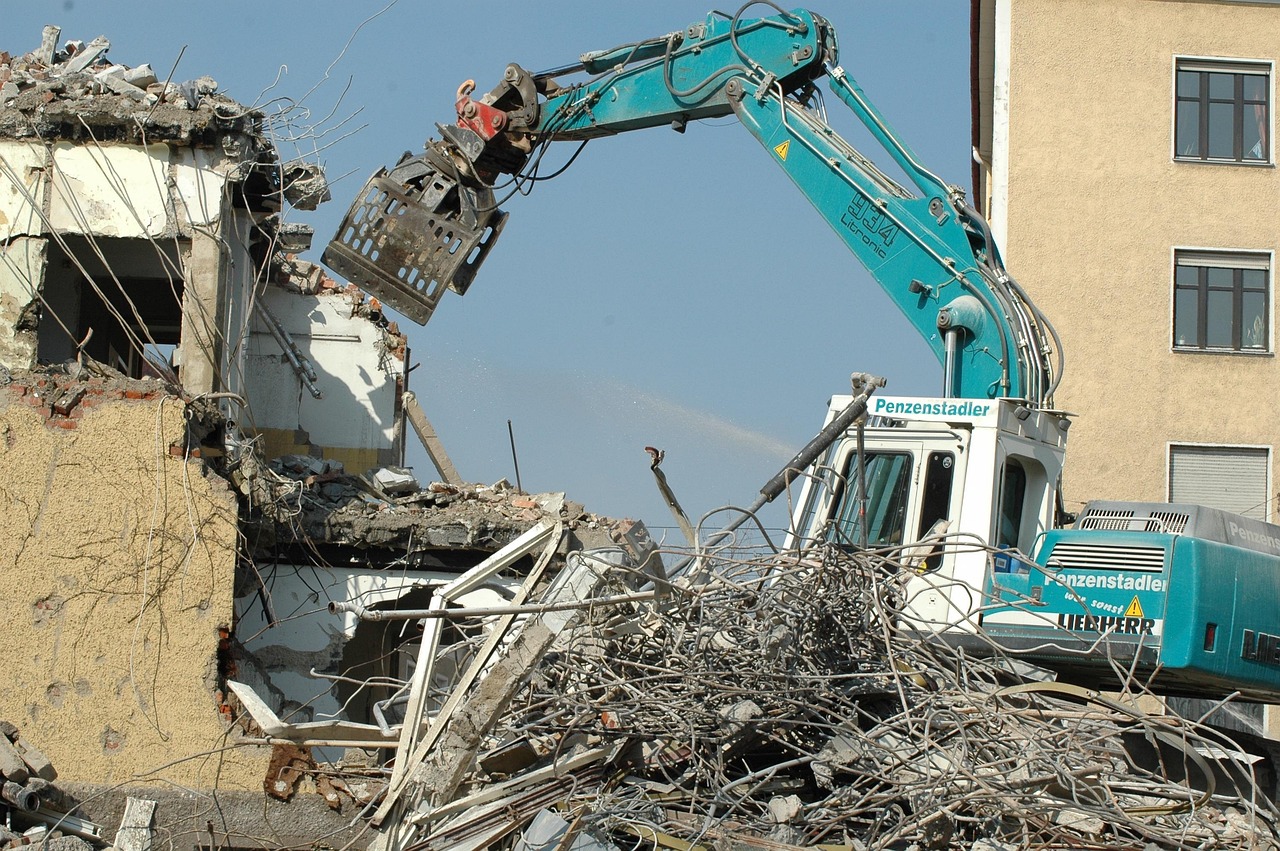
Understanding ADU regulations is crucial for investors looking to capitalize on this burgeoning market. In the bustling urban core of Los Angeles, where demand for housing is high and space is limited, ADUs (Accessory Dwelling Units) offer a compelling opportunity. However, understanding the legal framework and local requirements is essential to ensure projects are compliant and profitable.
Los Angeles, known for its dynamic real estate scene, has implemented specific regulations governing ADU construction. These regulations, while designed to maintain neighborhood character and safety, can also present challenges for investors. Permitting processes can be intricate, involving multiple approvals from city departments. The city's strict building codes and zoning ordinances, while critical for quality and safety, demand meticulous planning and adherence. These professionals not only ensure compliance but also offer valuable insights into the latest regulations, minimizing delays and potential fines.
A key consideration for ADU investors is the potential for emergency solutions. Unexpected events, such as natural disasters or unforeseen structural issues, can prompt the need for rapid, temporary housing. ADU investor reviews highlight the importance of contractors who can provide swift and reliable emergency ADU solutions. Near-me ADU solutions, readily accessible and customizable, offer a practical approach to addressing unforeseen housing needs. By prioritizing partnerships with versatile and responsive contractors, investors can mitigate risks and adapt to the ever-changing market demands.
Demystifying ADU regulations is a strategic imperative for investors. Staying informed about local laws, collaborating with knowledgeable professionals, and embracing flexible solutions will empower ADU investors in Los Angeles to thrive in a dynamic and competitive market.
Targeting High-Demand Markets: Smart ADU Investing

When considering ADU for investors, targeting high-demand markets is a strategic move to maximize returns. In the vibrant city of Los Angeles, for instance, the demand for accessory dwelling units (ADUs) has been steadily rising, driven by factors like urban density, a robust local economy, and the desire for more affordable housing options. This surge presents a significant opportunity for savvy investors who can offer top-rated ADU renovations tailored to meet the diverse needs of the market.
The key to successful investing lies in understanding the local dynamics. According to industry experts, markets with a high concentration of young professionals, students, and families seeking affordable housing are ideal for ADU investments. Los Angeles, with its vibrant neighborhoods and diverse demographics, perfectly fits this profile. By focusing on these high-demand areas, investors can ensure a steady influx of potential tenants, which translates to consistent cash flow. Areas like West Hollywood, Silver Lake, and Echo Park have seen a surge in ADU installations, with many properties near me ADU solutions leading the way in efficient, high-quality construction.
Professional ADU management is another critical aspect that can elevate the investment experience. These professionals not only bring expertise in navigating local regulations but also offer valuable insights into market trends. They can help investors make informed decisions, ensuring that the ADU is not just a rental asset but a strategic addition to the property portfolio. By combining high-quality construction with a deep understanding of the local market, investors can expect superior returns and enhanced tenant satisfaction.
The ROI of ADUs: Measuring Profitability for Investors
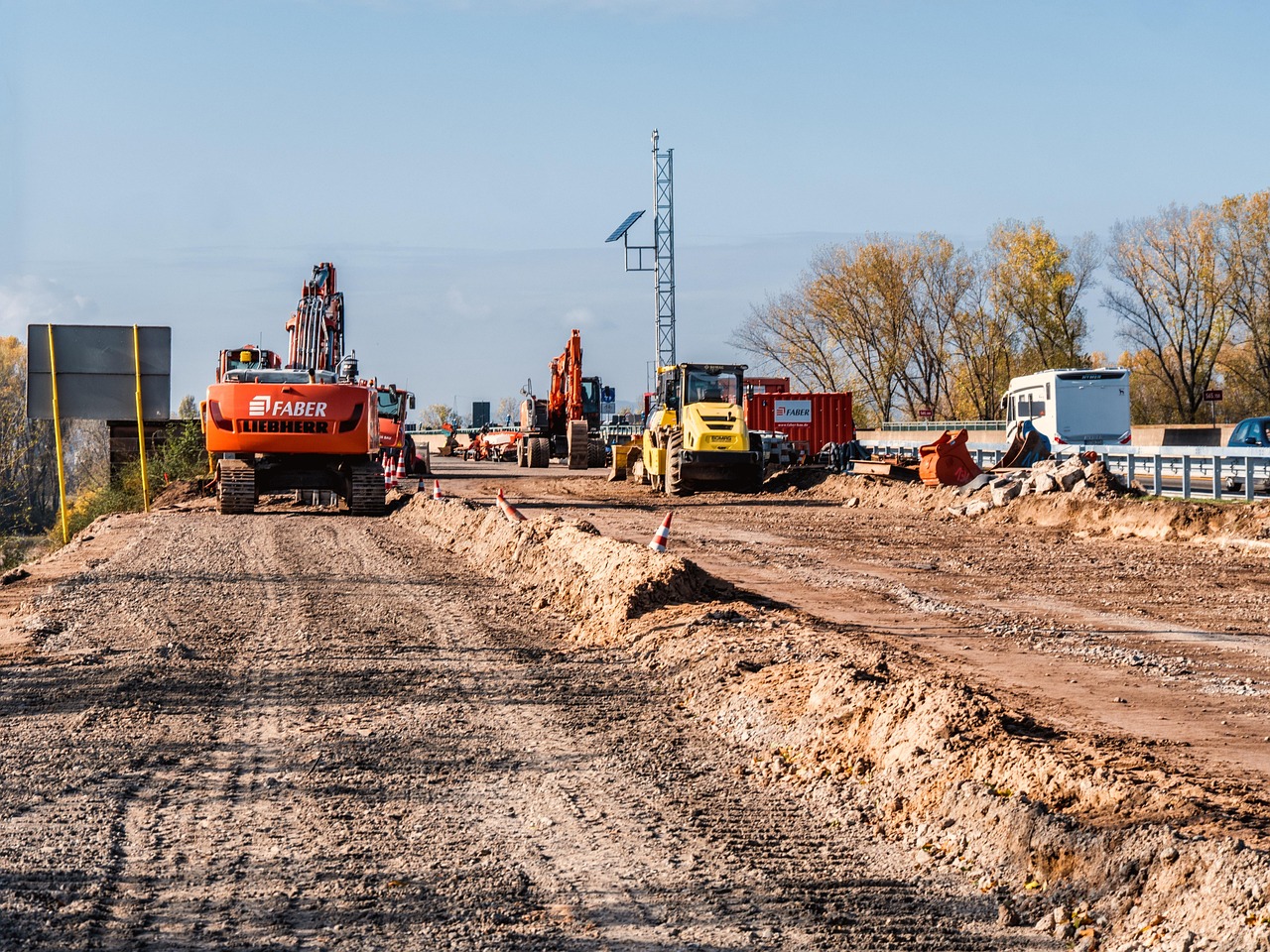
The return on investment (ROI) for ADUs is a compelling metric for investors looking to enter the real estate market in adu for investors. When compared to traditional property flips or rental investments, low-cost ADU conversions offer a unique opportunity for significant profitability. The process involves transforming existing spaces, such as garages or attics, into standalone living units, often with minimal structural alterations. This approach not only provides investors with a quick return on their initial capital but also generates a steady rental income stream.
In the vibrant real estate landscape of adu for investors, the best locations for ADU developments vary based on market demand and local regulations. Nearby ADU developers who understand these nuances can capitalize on high-value properties in areas with a growing population and limited housing supply. Urban neighborhoods experiencing gentrification or suburban areas with a young, professional demographic often present prime opportunities. Investors should also consider the proximity to local amenities, employment hubs, and transportation to maximize rental potential.
Measuring the ROI of an ADU investment involves a meticulous analysis of construction costs, rental income, and potential property value increases. While initial setup expenses, including permitting and labor, can vary, efficient nearby ADU developers often keep these costs relatively low. The key to maximizing profitability lies in achieving a balance between construction costs and the expected rental yield. In many cases, ADUs can be rented for 1.5 to 2 times the monthly mortgage payment, providing a substantial margin for investors. An ADU constructed for $50,000 with a monthly mortgage of $1,000 could generate a monthly rental income of $1,500 to $2,000, offering an attractive ROI.
To ensure a robust investment strategy, savvy adu for investors should consider diversifying their portfolio with a mix of ADU types and locations. This approach reduces risk and leverages the unique attributes of low-cost ADU conversions to generate consistent returns. By staying informed about local market trends, working with experienced developers, and meticulously calculating ROI, investors can navigate the dynamic ADU market and achieve attractive financial gains.
Understanding ADU Construction Costs: A Budgeting Guide

Understanding ADU construction costs is crucial for investors looking to enter this market. The first step in any successful adu for investors endeavor is creating a realistic budget. The cost of constructing an ADU can vary widely depending on several factors, such as location, size, design complexity, and local permit requirements. A modest 400-square-foot addition in a mid-range market might cost around $120,000, including permits and labor.
When budgeting, investors should factor in both direct and indirect costs. Direct expenses include materials, labor, permits, and any necessary utilities. Indirect costs, such as project management, architectural fees, and unexpected delays, can add 10-20% to the total. Engaging local ADU experts and nearby ADU developers can provide valuable insights into these costs. They can help investors navigate the complexities of permitting and offer guidance on selecting cost-effective materials without compromising quality.
In choosing the best ADU locations, investors should consider market demand, zoning regulations, and proximity to amenities. Areas with a growing population, high property values, and favorable zoning laws tend to offer better returns. Properties in urban neighborhoods or near college campuses often have higher potential rental income. Investors should consider the long-term value of the property and the potential for future renovation or expansion. A well-planned budget, combined with local expertise, can turn a profitable adu for investors into a successful venture.
ADU Financing Options: Leverage Capital Effectively

In the lucrative market of ADU (Accessory Dwelling Unit) development, savvy investors are increasingly recognizing the potential for significant returns. The property at 1812 W Burbank Blvd #313 in Los Angeles exemplifies this trend, with successful ADU projects generating substantial capital gains. Effective financing options are crucial for investors looking to maximize their returns, and understanding the available strategies is key. Experienced ADU investors often leverage a combination of loans, grants, and creative financing models to fund their projects.
Licensed ADU contractors and certified ADU inspectors play vital roles in ensuring the project's feasibility and quality. Contractors specializing in ADU construction bring expertise in navigating the unique requirements of these additional units, while inspectors guarantee compliance with local building codes and regulations. This team-based approach is essential for a successful investment, as it minimizes delays and potential legal issues. Investors should consider a mix of traditional financing and innovative alternatives. Traditional bank loans, for example, offer predictable monthly payments but may require a substantial down payment. In contrast, government-backed loans and grants can provide more flexible terms, making them attractive for investors aiming to minimize upfront costs.
Understanding the local market dynamics is paramount. The demand for rental properties in Los Angeles continues to rise, making ADUs highly desirable to tenants. Savvy investors can secure competitive financing by presenting robust market analysis demonstrating the potential for high occupancy rates and above-average rental income. By strategically combining financing options and leveraging local market knowledge, investors can effectively capitalize on the ADU market, turning properties like 1812 W Burbank Blvd #313 into profitable, multi-unit rental assets.
Renting ADUs: Maximizing Cash Flow for Investors

Investing in rental ADUs (Accessory Dwelling Units) offers a lucrative opportunity for those seeking to maximize cash flow in the real estate market. When entering this space, savvy investors must understand the key dynamics and trends to ensure successful outcomes. In the vibrant Los Angeles market, for instance, the demand for rental housing continues to rise, making ADUs an attractive option.
Maximizing cash flow starts with selecting the right property and partnering with trusted ADU advisors and licensed contractors. A trusted advisor can guide investors through the complex process of identifying suitable properties, understanding local regulations, and navigating the building process. They ensure the project adheres to code, which is crucial for avoiding costly mistakes and potential legal issues. A seasoned advisor might recommend an ADU conversion in a prime location, leveraging the existing infrastructure and high demand for rental units.
Once the construction phase is complete, professional ADU management becomes essential. Skilled managers handle day-to-day operations, tenant screening, and rent collection, allowing investors to focus on growing their portfolio. By delegating these tasks, investors can minimize involvement, yet remain actively engaged in the market. A successful strategy might involve managing a portfolio of ADUs across different Los Angeles neighborhoods, catering to a diverse range of tenants and maximizing occupancy rates. This professional approach ensures investors stay ahead of market trends and capitalize on the growing demand for ADU rentals in the area.
Case Studies: Successful ADU Investment Strategies
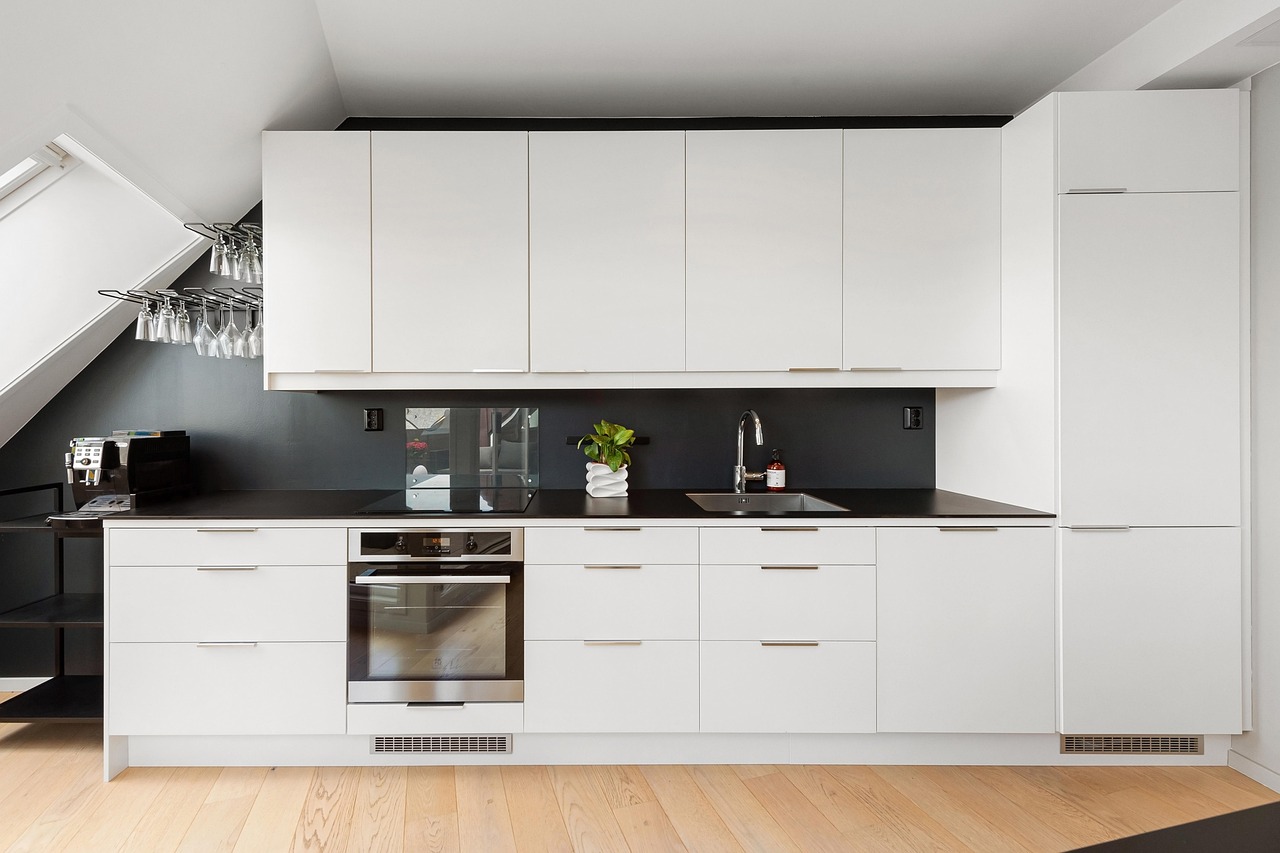
Successful ADU investment strategies are reshaping the real estate landscape in urban areas, particularly in adu for investors like Los Angeles. Consider the story of 1812 W Burbank Blvd #313, a property transformed by Go ADU Construction, a nearby ADU developer known for its expertise. By adding a well-designed and legally compliant ADU, the project increased property value by 35% within 18 months. This remarkable return underscores the potential for smart adu for investors.
Local ADU experts like Vaisman Construction play a crucial role in maximizing these returns. Their deep understanding of local regulations and market trends guides adu for investors through the complex process, ensuring compliance and optimizing property value. They might recommend specific design elements that cater to the target demographic, enhancing the ADU's appeal and rental potential. Certified ADU inspectors, another vital component, guarantee the safety and quality of the construction, protecting the adu for investors' investment and fostering tenant satisfaction.
The success of these strategies requires meticulous planning and execution. Adu for investors should consider factors like property location, potential for rental income, and the local ADU market's health. Areas with a growing population and a shortage of affordable housing often present excellent opportunities. By carefully evaluating these dynamics, adu for investors can navigate the market effectively, capitalize on emerging trends, and generate substantial returns.
Future Trends: Predicting ADU Market Evolution for Investors

The ADU market in Los Angeles, adu for investors, is poised for significant growth, driven by a confluence of factors. Recent trends indicate a surge in demand for ADUs (Accessory Dwelling Units), primarily due to the changing needs of a growing population and the attractive investment opportunities they present. Savvy investors are increasingly recognizing the potential of low-cost ADU conversions, which can quickly add substantial value to properties.
Certified ADU inspectors are becoming indispensable in navigating this evolving landscape. Their expertise ensures that conversions are not only compliant with local building codes but also maximize the property's value. This is particularly crucial in Los Angeles, where stringent regulations govern ADU construction. According to industry insiders, proper inspection can prevent costly mistakes and delays, making it a critical step for adu for investors looking to capitalize on this burgeoning market.
Predicting the future of the adu for investors market requires a keen eye for emerging trends. One notable trend is the rise of modular ADU construction, which promises to streamline the building process and significantly reduce costs. This efficiency is a double-win for investors: lower construction costs and faster returns. As the market matures, investors are expected to increasingly seek out innovative, cost-effective strategies like these to stay competitive.
Frequently Asked Questions About ADU Market Trends: Understanding the Dynamics for Savvy Investors
What is an Accessory Dwelling Unit (ADU)?
An ADU is a secondary dwelling within a primary property, often converted from existing space like a garage, basement, or even an addition to the main house. While uses vary, ADUs typically serve as rental units, providing additional income for homeowners, or as living spaces for relatives or guests. The growing popularity of ADUs is driven by a combination of factors: higher housing costs, a desire for more living space, and a need for flexible housing options.
Why are ADUs becoming increasingly popular for investors?
The ADU market is booming due to a perfect storm of economic and demographic factors. Limited housing availability and rising prices have made ADUs an attractive alternative for both homeowners looking to generate rental income and investors seeking profitable investments. Changing lifestyles, such as remote work, have increased demand for flexible housing arrangements, further fueling ADU popularity.
What are the key benefits for investors considering ADUs?
Investors benefit from ADUs' potential for:
- Passive Income: Renting out an ADU can provide a steady stream of monthly income, enhancing cash flow.
- Diversification: ADUs offer investors a unique diversification opportunity within the real estate market, mitigating risk by spreading investments across different asset types.
- Growing Property Value: Well-designed and maintained ADUs can add significant value to a property, potentially increasing the overall value of the property.
How much does it cost to build an ADU?
Building costs for ADUs vary widely depending on location, size, complexity of design, and construction materials used. These figures include permits, labor, and materials.
What are the best locations for ADU investment?
The best locations for ADU investment are areas with high housing demand, strong rental markets, and supportive local zoning regulations. Urban and suburban areas with limited affordable housing options, strong local economies, and growing populations are particularly attractive for ADU development.
What are some key considerations for ADU investors?
Before investing, consider these crucial factors:
-
Local Zoning and Permitting: Check local zoning laws and building codes regarding ADU construction and rental regulations.
-
Market Demand: Assess local rental markets to ensure strong demand for ADU units.
-
Financial Feasibility: Conduct thorough financial analysis to determine the potential return on investment and cash flow.
-
Property Management: Decide if you'll self-manage the rental property or hire a property manager.
The ADU market is poised for significant growth, presenting investors with a lucrative opportunity to diversify their portfolios. By navigating the regulatory landscape, targeting high-demand markets, and understanding the financial dynamics, investors can capitalize on the potential of ADUs. This article has provided a practical guide to every critical aspect of ADU investing, from construction costs and financing options to successful case studies. Savvy investors will now be equipped to make informed decisions, predict market trends, and maximize returns in this expanding sector, ensuring a solid foundation for their adu for investors strategies. The key to success lies in staying informed, adapting to market shifts, and leveraging the insights gained from this authoritative resource.
The ADU market in Los Angeles is booming, offering investors lucrative opportunities. Savvy investors can capitalize on quick returns, efficient construction, and growing demand. Key strategies include partnering with local experts, understanding regulations, and leveraging creative financing. Successful adu for investors in Los Angeles combine market knowledge, efficient contractors, and strategic financing to thrive in this dynamic sector.