
The surge in demand for housing, especially in urban areas, has sparked a renaissance in accessory dwelling units (ADUs) for investors. This trend presents both opportunities and challenges for those looking to navigate the real estate market. ADUs can increase property values, enhance community diversity, and provide affordable housing options, but they also raise concerns about zoning regulations, neighborhood character, and infrastructure strain. Understanding the impact of ADUs on neighborhoods is crucial for investors, as it requires balancing financial gains with the social and logistical aspects of community development. This article examines the multifaceted implications, drawing insights from industry reports, legal experts, and real estate professionals, to guide investors in making informed decisions that benefit both their portfolios and the communities they invest in.
- Understanding ADUs: The Core Investment Opportunity
- Neighborhood Dynamics: Impact on Local Communities
- Legal Landscape: Zoning, Permits, and Regulations
- Market Analysis: Achieving Rental Income Potential
- Property Value: How ADUs Elevate Neighborhoods
- Community Engagement: Balancing Resident Concerns
- Construction Considerations: Efficient, Cost-Effective Building
- Financial Projections: Long-Term Investment Strategies
- Case Studies: Successful ADU Investments in Action
Understanding ADUs: The Core Investment Opportunity

Understanding ADUs (Accessory Dwelling Units) represents a core investment opportunity for those navigating the real estate market. These secondary residences within existing properties offer a unique blend of affordability, flexibility, and potential for increased property value. For adu for investors, understanding the best locations is crucial. According to the National Association of Real Estate Investors (NAREI), markets with high housing costs and a shortage of affordable housing often present the most lucrative opportunities. Urban centers experiencing a surge in young professionals and families can see significant returns on ADU investments.
Low-cost ADU conversions are another draw. Many older homes have underutilized spaces, like attics or basements, that can be converted into rentable units. Architects and general contractors skilled in these transformations can help maximize the return on investment. The process involves navigating local building department requirements, ensuring compliance with zoning laws, and managing construction costs. A well-executed ADU project can add substantial equity to a property, providing investors with a steady stream of passive income.
ADU investor reviews paint a compelling picture of success stories. Long-term investors, often guided by financial advisors and real estate mentors, have reaped the benefits of this strategy. These investments offer a level of diversity that can enhance a portfolio's resilience. According to industry reports, ADUs are becoming increasingly popular among REITs (Real Estate Investment Trusts), who recognize their potential for steady, predictable returns.
To maximize opportunities, adu for investors should stay informed about local market trends and seek expert counsel. Engaging with online property platforms and real estate analysts can provide valuable insights into emerging ADU hotspots and successful conversion strategies. This approach requires a delicate balancing act-a careful blend of financial acumen, legal expertise, and a keen understanding of community dynamics.
Neighborhood Dynamics: Impact on Local Communities

The addition of Accessory Dwelling Units (ADUs) to a neighborhood has a profound effect on local communities. While ADUs for investors can increase housing density and diversify property options, they also introduce dynamic changes in the social fabric of these areas. Local ADU experts often emphasize the need for thoughtful integration, ensuring these new structures complement existing homes and enhance community cohesion. This balance is crucial, as poorly planned ADU renovations can lead to visual clutter, overburdened infrastructure, and potential conflicts between neighbors.
Top-rated ADU renovation services understand the importance of community engagement during the development process. They offer specialized ADU services tailored to meet the unique needs and character of each neighborhood. A well-designed ADU can provide essential affordable housing, especially in areas with limited stock of low-cost homes. However, this requires careful consideration of factors like zoning laws, building codes, and community input. Investors in ADUs must collaborate with local architects and general contractors who are adept at navigating these complexities, ensuring that new units blend seamlessly into the existing landscape.
Community engagement and collaboration are key to mitigating potential negative impacts. Local building departments play a vital role in managing these projects, ensuring compliance with safety regulations and neighborhood standards. Real estate mentors and analysts can provide valuable insights into the financial viability of ADU investments, considering the long-term market trends and the potential for stable, rental income generation. By fostering open communication and involving relevant stakeholders, ADU for investors can contribute to the vibrant, diverse, and well-integrated communities they serve.
Legal Landscape: Zoning, Permits, and Regulations

The legal landscape surrounding Accessory Dwelling Units (ADUs) for investors presents a complex web of zoning laws, permit requirements, and regulations that can significantly impact profitability and project feasibility. Understanding these nuances is essential for any investor looking to enter the ADU market. Zoning laws, in particular, vary widely from neighborhood to neighborhood, dictating the types of dwellings allowed, their size, and where they can be located. Some areas may permit only one ADU per property, while others might allow multiple, and restrictions on height, setbacks, and proximity to property lines are common. Investors must carefully assess these regulations to ensure their proposed ADU projects align with local rules.
Professional ADU management and specialized ADU services can play a crucial role in navigating this legal terrain. These experts are intimately familiar with the zoning codes and permit processes specific to various locations, enabling them to guide investors through the necessary steps. They can assist with obtaining the required permits, ensuring compliance, and managing any legal or regulatory hurdles that may arise during construction or occupancy. A nearby ADU developer specializing in multi-family properties can help investors navigate dense urban zoning regulations, enabling them to maximize returns by creating high-demand rental units.
To zoning, investors must consider local building department requirements and the potential need for additional permits. These departments enforce building codes, safety standards, and structural integrity, among other aspects. Adhering to these regulations is not just a legal obligation but also ensures the safety and quality of the ADU, which can enhance its value and appeal to potential tenants or buyers. Real Estate Analysts and Government Statistical Agencies often publish insights into the evolving regulatory landscape, helping investors anticipate changes and make informed decisions. For long-term investors, understanding these legal dynamics is paramount to building a sustainable ADU portfolio.
Market Analysis: Achieving Rental Income Potential

The market analysis of ADUs for investors is a crucial step in understanding the potential for achieving substantial rental income. According to the National Association of Real Estate Investors (NAREI), well-planned ADUs can significantly enhance property value and cash flow. This is particularly evident in areas where the demand for rental properties outstrips supply, providing investors with a competitive edge. A recent industry report highlights that properties with ADUs often command higher rents and have lower vacancy rates, making them a strategic choice for long-term investors.
Local ADU experts play a pivotal role in helping investors navigate this landscape. They can provide same-day quotes and insights tailored to specific neighborhoods, considering factors like local regulations, construction costs, and market demand. These experts act as trusted advisors, offering guidance on the most profitable ADU designs and layouts for different property types. A general contractor specializing in ADUs might recommend converting an existing garage or adding a detached unit, depending on the property's unique characteristics. By leveraging the expertise of these professionals, investors can make informed decisions that align with their financial goals.
The financial potential of ADUs is evident when comparing rental income to initial investment and operational costs. While the latter includes construction, permitting, and management fees, the former can be substantial. Historical market analysis shows that well-managed ADU properties can appreciate in value by 20% or more within five years. This makes ADUs for investors a promising strategy, especially in urban areas where land is scarce and the demand for housing is high. By carefully considering the local market and enlisting the help of trusted ADU advisors, investors can achieve these benefits while contributing to the vibrancy of their neighborhoods.
Property Value: How ADUs Elevate Neighborhoods
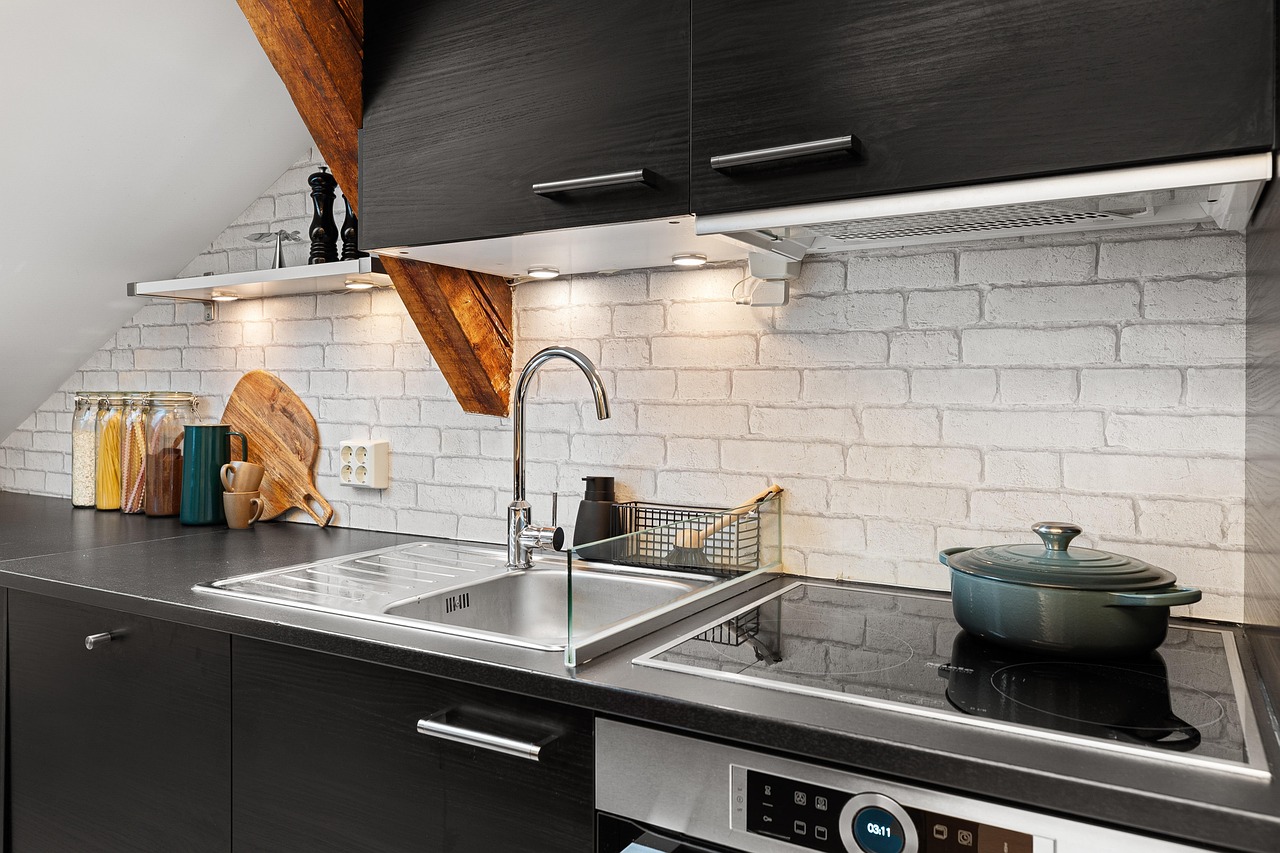
The addition of Accessory Dwelling Units (ADUs) to neighborhoods is a double-edged sword, offering both potential benefits and challenges for investors. When strategically integrated, ADUs can significantly elevate the property values and overall appeal of residential areas. This is especially true for experienced ADU investors who understand the nuances of local regulations and market dynamics. A study by the National Association of Real Estate Investors (NAREI) found that neighborhoods with well-designed ADU programs often attract younger professionals and families seeking affordable housing options, driving up demand and property values.
Experienced ADU investors and licensed contractors play a pivotal role in this process. They collaborate with local building departments and architects to ensure compliance and create functional, aesthetically pleasing units. Skilled contractors, for instance, can transform a basic garage into a modern, self-contained apartment in as little as one to two weeks, according to industry reports. This rapid turnaround is a significant advantage for investors looking to maximize rental income or quickly flip properties. These experts can guide investors through the complex legal and financial aspects of ADU development, including zoning regulations, building codes, and tax implications.
Local ADU experts also serve as valuable mentors, providing insights into community dynamics and potential issues. They understand the specific needs and preferences of their neighborhoods, which is crucial for creating successful ADU projects. A mentor might advise investors to incorporate design elements that resonate with the local community, such as using native landscaping or adhering to traditional architectural styles. By doing so, ADUs can blend seamlessly into the existing fabric of the neighborhood, fostering a sense of belonging and potentially increasing property values for all residents. This holistic approach, guided by local experts, ensures that ADU development is not just an investment strategy but a means to enhance the overall quality of life in vibrant, diverse communities.
Community Engagement: Balancing Resident Concerns

Community engagement is a critical yet often overlooked aspect when considering the impact of Accessory Dwelling Units (ADUs) on neighborhoods, especially for investors looking to navigate this growing real estate trend. Engaging with residents is essential to address concerns, ensure community buy-in, and create a harmonious living environment for all. Experienced ADU investors understand that open communication and collaboration can turn potential conflicts into opportunities for positive change.
The process of community engagement begins with understanding the diverse perspectives of neighbors. Many residents may have concerns regarding increased density, privacy, or the impact on local amenities. Licensed ADU contractors, working with investors, can facilitate these conversations by providing same-day quotes and transparent project timelines. This approach allows residents to see the benefits of ADU development, such as increased housing options and potential property value growth, while addressing their legitimate worries. A real estate mentor in the area might organize a community forum, inviting investors and locals to discuss the potential effects of ADU construction.
By actively listening to and incorporating resident feedback, ADU investors can design projects that meet the needs of the neighborhood. Architects can work with investors to create ADU plans that respect the character of the community while still providing modern amenities. This collaborative process fosters goodwill and can lead to long-term partnerships. For long-term investors, maintaining positive relationships with neighbors is crucial to ensuring a steady flow of projects and a healthy return on investment. Regular communication, public consultations, and quick response times to queries can significantly impact the success of ADU ventures in any neighborhood.
Construction Considerations: Efficient, Cost-Effective Building

When considering the construction of Affordable Deduced Units (ADUs) for investors, efficient and cost-effective building practices are paramount. Experienced ADU investors understand that the success of their projects hinges on meticulous planning, skilled craftsmanship, and adherence to local building codes. Leveraging the expertise of architects and general contractors who specialize in ADU construction can streamline the process, ensuring compliance and minimizing delays.
One of the key advantages of ADUs for investors is their ability to provide near-me, affordable housing solutions. By employing cost-saving measures without compromising quality, investors can maximize returns. This might include utilizing standardized building materials, energy-efficient appliances, and modular construction techniques.
Financial advisors and real estate analysts emphasize the importance of a detailed cost-benefit analysis for ADU projects. Investors should consider not only the upfront construction costs but also the long-term value added to the property. A well-designed and constructed ADU can increase the overall property value, providing a strong return on investment. Engaging with experienced ADU investors and financial planners can help navigate these complexities, ensuring that each project is a strategic and profitable endeavor.
Successful ADU construction for investors requires a holistic approach that balances legal and financial considerations with operational and community needs. Staying informed about local building regulations and industry trends, while collaborating with reliable professionals, will contribute to the creation of high-quality, affordable housing that benefits both investors and the surrounding community.
Financial Projections: Long-Term Investment Strategies

The financial projections associated with ADUs for investors represent a critical aspect of the decision-making process. According to industry reports, the ADU market has seen significant growth with the National Association of Real Estate Investors (NAREI) noting a surge in both demand and investment activity. When considering ADU for investors, long-term financial strategies are paramount. Investors must anticipate not only the initial investment but also the ongoing operational and maintenance costs, potential rental income, and potential capital gains or losses over time.
Professional ADU management plays a pivotal role in maximizing these returns. Top-rated ADU renovations, for instance, can significantly enhance the property's value, making it more attractive to tenants or buyers in the future. Engaging experienced general contractors and architects ensures that the ADU is not only compliant with local building codes but also designed to meet the evolving needs of the market. A well-managed ADU can serve as a stable, long-term investment, providing consistent cash flow and potential appreciation.
A study by a leading real estate investment firm revealed that ADUs with strategic design elements and high-quality construction tended to have higher occupancy rates and command higher rental prices. This suggests that investors who prioritize top-rated ADU solutions can expect better financial outcomes. Local building departments also play a crucial role in ADU for investors, as they enforce zoning regulations and building standards. Investors must stay informed about the permitting process and local codes to avoid unexpected delays or additional costs. By balancing these factors, investors can understand ADUs, ensuring their financial projections are realistic and achievable.
Case Studies: Successful ADU Investments in Action

Successful ADU investments have a profound impact on neighborhoods, demonstrating the value of these low-cost ADU conversions in revitalizing areas. Consider a case study from a bustling urban center where a nearby ADU developer collaborated with local architects to transform a vacant lot into a mixed-use property. By leveraging existing infrastructure and implementing smart design choices, they created a mix of affordable rental units and commercial space, attracting a diverse range of residents and businesses. This project not only increased property values but also fostered a sense of community, highlighting the potential of ADUs to breathe new life into underutilized spaces.
For investors, identifying the best ADU locations is crucial. Real estate analysts and government statistical agencies provide valuable insights into neighborhood dynamics, such as population growth rates, vacancy rates, and local economic trends. According to a recent industry report, areas with strong demand for rental housing and a dearth of affordable options often present the most lucrative opportunities for ADU developments. An NAREI survey revealed that cities with a high concentration of young professionals and students consistently showed higher returns on ADU investments. Understanding these demographic shifts and their impact on local real estate is key to making informed decisions.
The success of these investments also hinges on the expertise involved. Engaging experienced financial planners and real estate mentors ensures that the project stays on track from concept to completion. For-profit ADU developers, while offering efficiency, may not always align with investor goals. Many long-term investors prefer to work directly with general contractors and architects they trust, allowing for greater control and customization. This hands-on approach, coupled with a deep understanding of local regulations, can yield exceptional returns while contributing positively to the community. By learning from these case studies, investors can navigate the balancing act of maximizing profits and fostering neighborhood growth.
Frequently Asked Questions About The Impact of ADUs on Neighborhoods: A Balancing Act for Investors
What is an ADU, and how does it impact neighborhoods? ADUs, or Accessory Dwelling Units, are additional housing units built within or on the property of an existing residence. They can significantly impact neighborhoods by increasing housing density, providing affordable housing options, and potentially enhancing community diversity. However, their introduction must be carefully managed to maintain the overall integrity and character of the neighborhood, addressing concerns regarding over-development and preserving community amenities.
How do ADUs benefit investors? For investors, ADUs offer a unique opportunity to diversify their real estate portfolios. They can generate additional rental income, with some markets seeing high demand for ADU rentals. Investors can capitalize on the growing trend of urban living, where compact, affordable housing is in high demand. ADUs can also provide a hedge against potential property value fluctuations, as they offer a tangible, income-generating asset within an investor's portfolio.
What are the potential drawbacks of implementing ADUs? While ADUs have numerous benefits, there are valid concerns. Over-development can strain local infrastructure and services, impacting the quality of life for existing residents. Noise, traffic, and parking issues may arise, particularly in densely populated areas. If not properly regulated, ADUs could lead to a loss of the neighborhood's unique character and aesthetic appeal, causing resentment among long-time residents.
How can investors ensure their ADU projects are successful? For investors, success hinges on thorough local market analysis, understanding zoning regulations, and engaging with the community. Conducting a needs assessment to identify potential tenants and ensuring the ADU aligns with the neighborhood's character are crucial. Investors should also factor in potential operational costs, including maintenance and property management, and aim for a balanced approach that maximizes return while preserving neighborhood harmony.
What are the legal considerations for ADU development? Local zoning laws and building codes are paramount. Investors must ensure their plans comply with these regulations, often involving permit applications and inspections. ADUs may be subject to local rent control or housing regulations, impacting their financial viability. Consulting with legal professionals and staying informed about evolving laws and policies is essential for navigating these complexities.
How do ADUs affect property values in a neighborhood? The impact on property values is context-dependent. Well-planned and managed ADUs can actually increase neighborhood desirability, leading to higher property values. Conversely, poorly integrated or over-developed ADUs might depreciate surrounding properties. Investors should analyze comparable sales and market trends to gauge the potential impact on property values in their targeted areas.
What role do community partnerships play in ADU development? Community partnerships are vital for successful ADU projects. Investors who engage with local residents, community groups, and stakeholders can gain valuable insights into neighborhood dynamics and address concerns proactively. Collaborative approaches can lead to more acceptable projects, fostering good relations and potentially securing community support for future developments.
The article has introduced a practical guide to navigating the world of ADUs for investors, highlighting the multifaceted impact of these additional dwelling units on neighborhoods and portfolios. From understanding the core investment opportunity and navigating legal landscapes to analyzing market potential and community dynamics, readers have gained valuable insights into the strategic development of ADUs.
Key takeaways include the significant rental income potential for investors, with ADUs boosting property values and creating diverse, vibrant communities. However, balancing resident concerns and efficient, cost-effective construction remain crucial for successful projects. The case studies presented offer real-world examples of how ADU investments can thrive when informed by financial projections, community engagement, and expert guidance from architects, general contractors, and financial advisors.
Moving forward, investors should prioritize thorough due diligence, engage with local building departments, and consider the long-term benefits of ADUs as a strategic tool for sustainable, profitable investments. By embracing these insights, adu for investors can achieve new opportunities while fostering positive change in their communities.
ADUs for Investors: Balancing Financial Gain & Community Impact
Accessory Dwelling Units (ADUs) offer investors a lucrative real estate opportunity, combining affordability, flexibility, and potential for increased property value. Key considerations include:
- Location: High housing costs and limited affordable housing markets offer the best opportunities. Urban centers with young professionals and families typically see significant returns.
- Conversions: Low-cost ADU conversions from underutilized spaces can add substantial equity. Experts in these transformations maximize ROI while navigating building codes and zoning laws.
- Community Engagement: Collaboration with neighbors is vital for successful ADU projects. Open communication fosters goodwill and ensures projects meet local needs and standards.
- Efficient Building Practices: Skilled contractors streamline processes, minimize delays, and reduce construction costs, enhancing investor returns.
- Financial Projections: Long-term financial strategies are crucial. ADU management, strategic design, and understanding local codes impact financial outcomes.
- Case Studies: Successful ADU investments revitalize neighborhoods. Analyzing demographic trends and engaging trusted experts enhance investor decisions and community growth.